Why Healing After Betrayal Feels Impossible (And How to Break the Cycle)
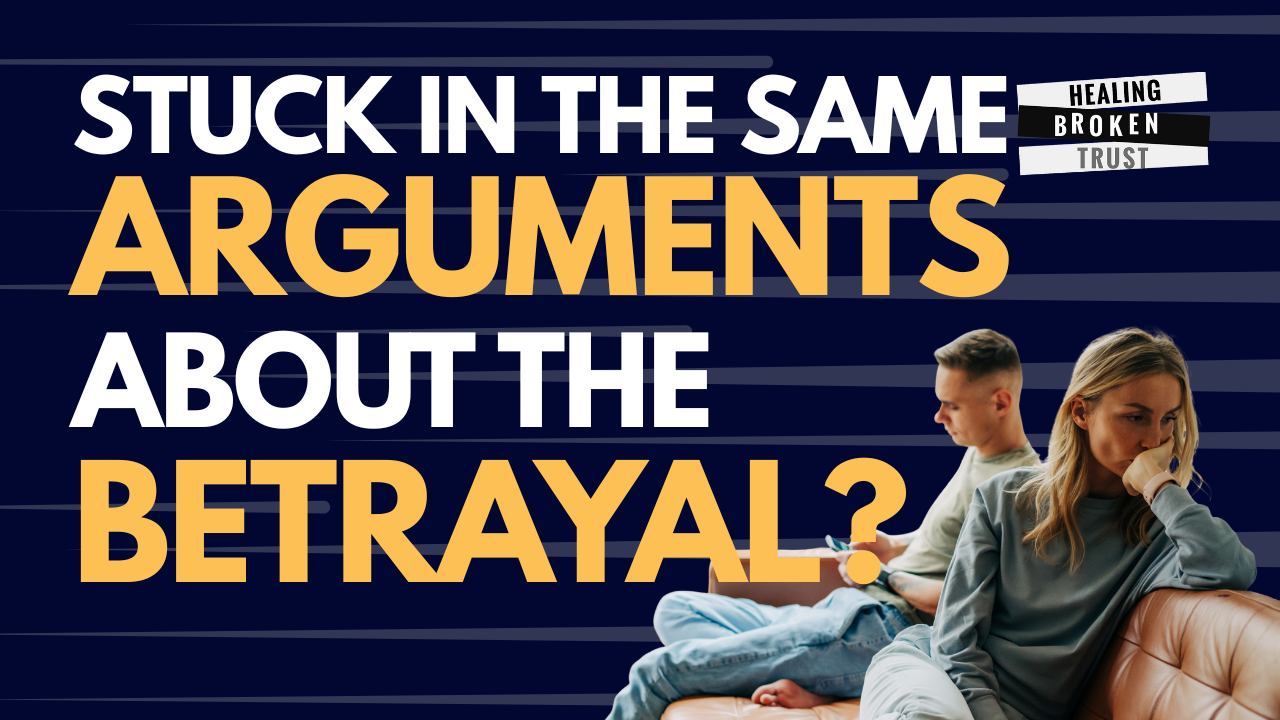
Healing after betrayal can feel impossible when couples get stuck in a negative cycle. The hurt partner repeatedly emphasizes how painful and damaging the betrayal was, while the partner who caused harm defends themselves by minimizing the impact with statements like, “It wasn’t that serious,” “I had a reason,” or “You’re overreacting.”
Research shows that perpetrators often downplay harm, while victims naturally focus on the impact. But in strong romantic relationships, victims aren’t always “maximizing” as much as we assume. More often, the real obstacle to healing is the Distancer’s minimizing, which blocks emotional safety and creates a second injury on top of the original betrayal.
In this video, we break down how this cycle works in affair recovery, why interpretation matters as much as behavior, and how healing begins when the unfaithful partner shifts from defensiveness to responsibility (“I understand why it feels that big”), while the betrayed partner shifts from endless interrogation to trust-building questions (“What are you doing to make sure it never happens again?”).
When couples learn to hold both truths, the damage was real and repair is possible, they stop repeating the same fight and begin rebuilding trust through accountability, safer meaning-making, and forgiveness that actually lasts.